
Sometimes we read things that are too good not to share, and here is the most recent. From Dr. Aliza Pressman, PhD, Developmental Psychologist, speaking with Mel Robbins, “All feelings are welcome. All behaviors are not. That’s it.”
As a part of our Five Pillars, our teachers focus on helping children grow not just academically, but socially and emotionally too. Watching them practice for public speaking and managing their ‘jitters’, and this past week watching the final tweaks on Science Fair projects—practicing how to interact with parents and respond thoughtfully to questions—are all powerful examples of real, lived learning. These moments matter because they stretch students beyond content knowledge and into confidence, self-awareness, and connection.
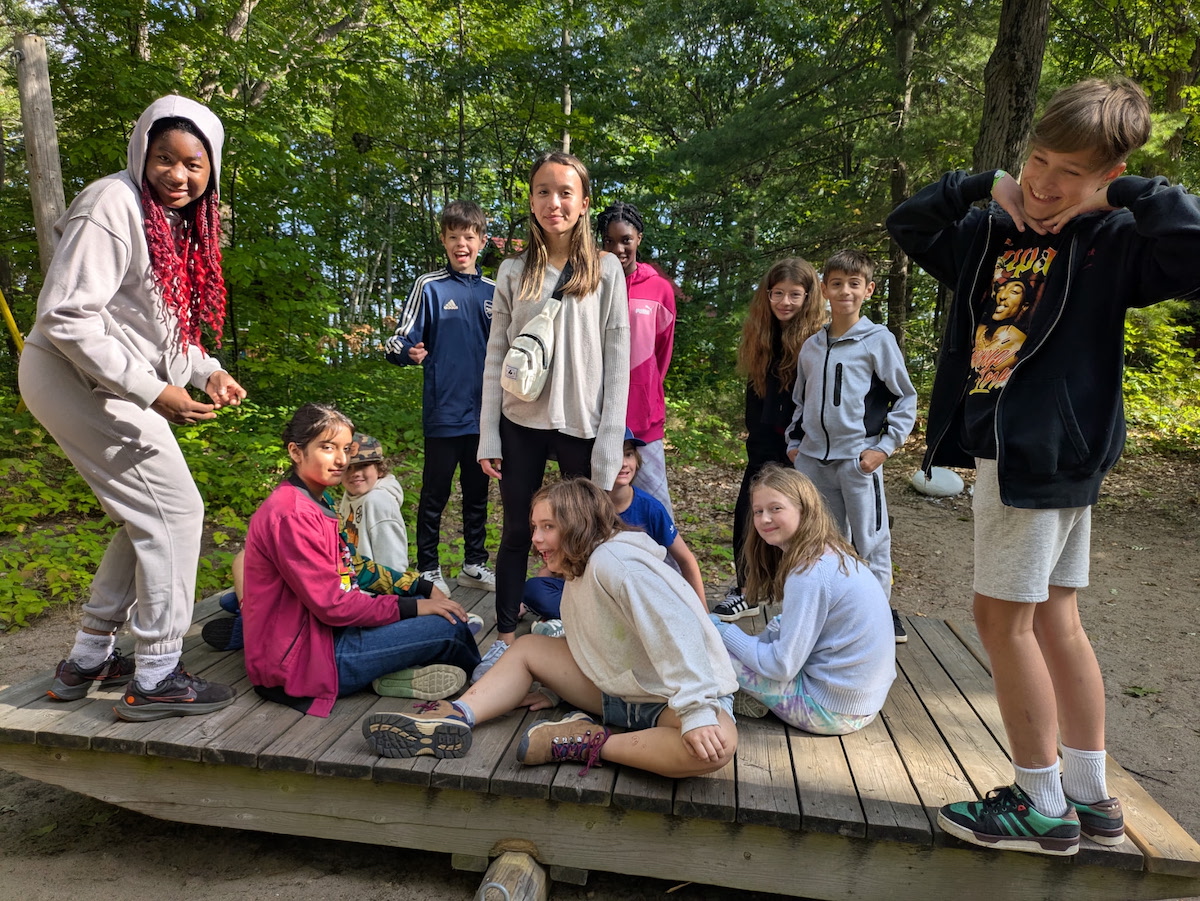
In the classroom, our teachers guide students to recognize and understand their feelings, practice kindness and empathy, and work together respectfully. Through daily check-ins, collaborative projects, and reflective conversations, children learn that all feelings are welcome, but how we act on them matters—just as Dr. Pressman reminds us. These experiences help children build confidence, resilience, and the skills to navigate both school life and the wider world.
Our Social and Emotional Pillar is intentionally woven into each day, rather than treated as a separate lesson. We believe that children learn best when they feel safe, seen, and supported. This begins with strong relationships—between teachers and students, and among peers. Our educators take time to truly know each child: what excites them, what challenges them, and how they experience the world. With that understanding, teachers can gently coach students through moments of frustration, disappointment, or conflict, helping them build the tools they need to respond thoughtfully rather than react impulsively.
A key focus is emotional literacy—giving children the language to name what they are feeling. When students can identify whether they are feeling nervous, frustrated, excited, or overwhelmed, they are better equipped to manage those emotions. You might hear a student say, “I’m feeling nervous about presenting,” instead of shutting down or avoiding the task. From there, teachers can introduce strategies such as deep breathing, positive self-talk, or breaking a task into smaller steps. Over time, students begin to internalize these strategies and use them independently.
Equally important is helping children understand the impact of their actions on others. Through guided discussions and real-life situations, students learn perspective-taking: recognizing that their peers may think and feel differently than they do. This builds empathy, which is at the heart of a positive and inclusive school environment. Whether it’s resolving a disagreement on the playground or collaborating on a group project, students are encouraged to listen, communicate clearly, and find respectful solutions.
We also place a strong emphasis on resilience. Challenges—whether academic, social, or emotional—are a natural and necessary part of growth. Rather than shielding students from difficulty, we support them through it. When a project doesn’t go as planned or a friendship feels complicated, teachers guide students to reflect, problem-solve, and try again. These moments build perseverance and a growth mindset, helping children understand that setbacks are not failures, but opportunities to learn.
Leadership and responsibility are additional components of our social and emotional development. From the early years through the middle grades, students are given age-appropriate opportunities to take initiative, make decisions, and contribute to their community. This might look like leading a classroom activity, mentoring a younger student, or taking ownership of a group project. These experiences foster a sense of pride and belonging, while also reinforcing accountability.
Another important aspect of our approach is the connection between social-emotional learning and academic success. When children feel confident and emotionally regulated, they are more open to taking risks in their learning. They are more likely to ask questions, participate in discussions, and persist through challenging tasks. In this way, our Social and Emotional Pillar not only supports well-being but also enhances academic growth.
Finally, we recognize that this work is most powerful when it is consistent between school and home. We strive to partner with families by sharing language, strategies, and insights that can be reinforced beyond the classroom. When children receive the same messages about empathy, responsibility, and emotional awareness in both environments, those lessons become deeply rooted.
At Star Academy, we are proud to nurture the whole child. By embedding social and emotional learning into everyday experiences—from classroom conversations to school-wide events—we are helping students develop into confident, compassionate, and capable individuals. And as Dr. Pressman so simply and powerfully reminds us, when children understand that all feelings are welcome, they can begin to learn the equally important skill of choosing how to respond.